The wedding is in five weeks, you finished a whitening course last month, and the photos from the engagement party looked great. Now you are wondering whether the shade will still be there when the photographer lines everyone up, or whether you should have waited.
It is a very reasonable thing to plan around. Whitening results do fade, but slowly, and how long they hold depends far more on what happens after whitening than on the product itself. Most people can keep a result for many months with a few low-effort habits and the occasional short touch-up.
How long does teeth whitening last?
There is no single number, because the answer depends on the method, your starting shade, and how much staining your teeth meet every day. Commonly quoted ranges give a useful sense of scale, as long as you read them as rough guides rather than promises.
Two people who whiten the same way can see very different timelines. Someone who drinks black coffee all morning and red wine most evenings will usually see color creep back sooner than someone who drinks mostly water. Natural shade matters too: teeth with a stronger yellow tone in the dentin tend to drift back toward that tone.
Why do teeth get yellow again after whitening?
Peroxide lightens teeth by breaking apart colored molecules inside the enamel and dentin. It does not change the surface of the tooth, the saliva film that coats it, or the habits that put color there. So the same forces that yellowed your teeth before start working again the day you finish.
- Rehydration in the first daysWhitening temporarily dries out teeth, and dry enamel looks whiter. As teeth rehydrate over the following days, the shade often settles a little darker. This is normal and does not mean the whitening failed.
- New stain on the pellicleA protein film from saliva coats teeth within minutes of brushing, and pigments from coffee, tea, wine, cola and tobacco bind to it. Over weeks that stain builds up.
- Plaque and tartarPlaque absorbs color, and when it hardens into tartar it becomes a yellowish deposit that only a professional cleaning removes.
- Enamel wearAcidic drinks and hard brushing thin enamel over time, letting more yellow dentin show through.
- AgeDentin slowly thickens and darkens over the years. Whitening can offset that, but it continues in the background.
Right after whitening, enamel is a little more porous and dehydrated, so it can pick up stain more easily. Many dentists suggest going light on coffee, tea, red wine, dark sauces and tobacco for a day or two afterward.
How do you prevent teeth from yellowing?
The habits that hold a whitening result are the same ones that slow yellowing in anyone. None of them are dramatic, and none require giving up coffee. They mostly shorten the time pigment and acid spend on your teeth, and keep plaque from giving stain something to grip.
If you have not whitened yet
The same list works for teeth that have not been whitened at all. You cannot stop the slow darkening that comes with age, but you can do a lot about the stain layer on top, which is usually the larger part of what people notice in photos. Many people who follow these habits and keep regular cleanings find their teeth look brighter once the surface stain is kept in check, without any peroxide. If the color underneath still bothers you after that, whitening is the tool that changes the shade itself, and it will hold longer on a mouth that already has these habits in place.
A whitening toothpaste can help as maintenance by lifting new surface stain before it binds. Look for one you are comfortable using daily, and do not switch to harsher abrasives chasing a brighter result, since worn enamel eventually looks more yellow, not less.
How often should you do whitening touch-ups?
A touch-up is a short top-up, not a full course. For many people, a few sessions every several months keeps the shade steady, and heavier coffee, tea or wine drinkers may want them more often. The best signal is your own teeth: when you notice the shade drifting in daylight, it is time for a short round rather than waiting until you want a full reset.
Notice the drift
Check your teeth in natural light every few weeks, or compare with a photo from right after whitening.
Do a short round
One to a few sessions with your trays or strips is usually enough for a touch-up, following the product's wear time.
Support the enamel
Use a fluoride toothpaste before and after. If your teeth are sensitive, space the sessions out.
Go easy for a day or two
Skip the heaviest stainers briefly after each touch-up while enamel rehydrates.
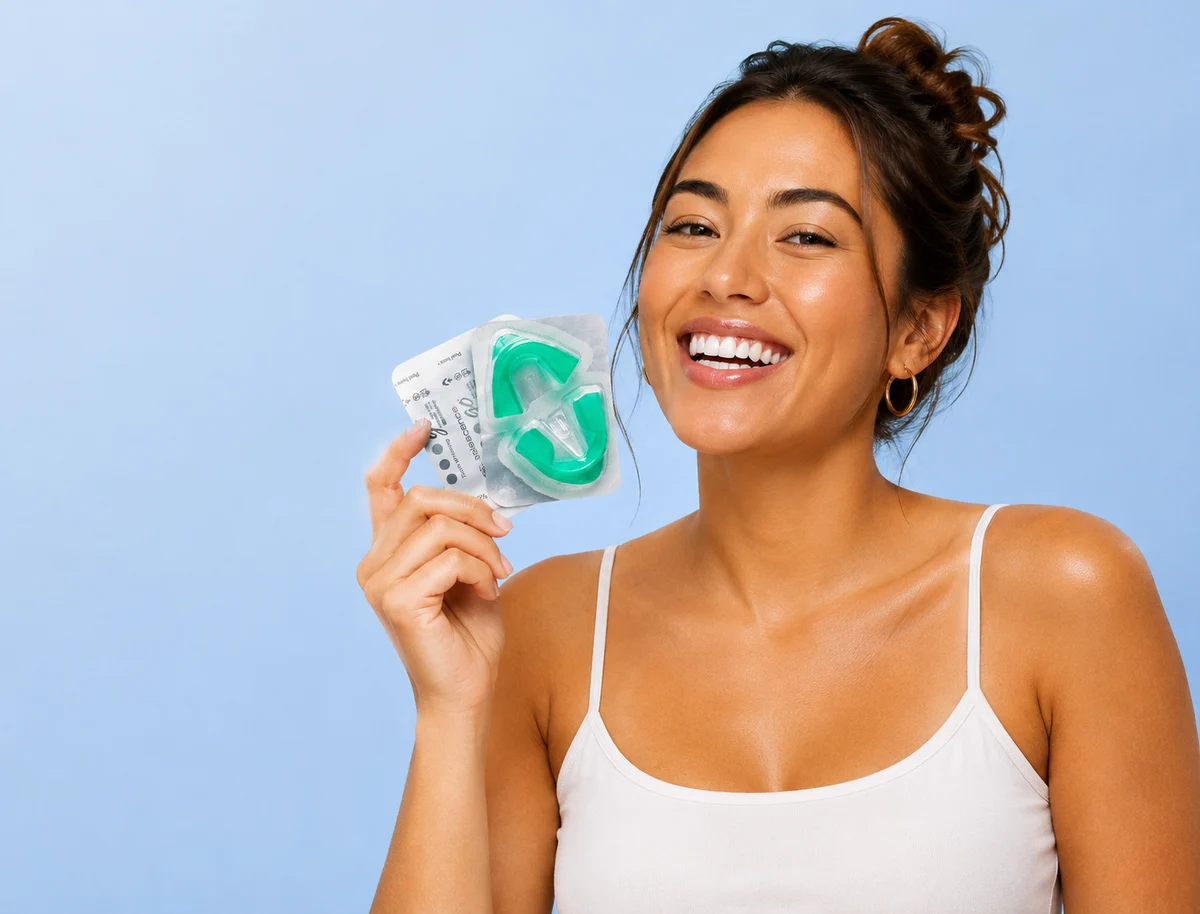
Touch-ups are usually a short repeat of whatever whitened your teeth in the first place. OneOral's whitening uses prefilled Opalescence Go 15% trays, single-use and ready to wear with no impressions, and a membership includes messaging with licensed dentists if you want advice on how often to touch up for your particular habits.
Whitening too often or for longer than directed tends to add sensitivity and gum irritation without much extra whiteness. There is a ceiling to how light your natural teeth can go.
When should you stop whitening and see a dentist?
Some sensitivity during whitening is common and usually fades within a few days of stopping. Pause and check with a dentist if sensitivity lasts longer than that, if one tooth hurts sharply, if gums stay white, sore or raw, or if a tooth seems to be getting darker rather than lighter. A single darkening tooth, brown or black spots, or yellow areas near the gumline with sensitivity to cold can all point to something other than stain. Swelling that spreads into the face or neck, fever, or trouble swallowing or breathing needs urgent in-person care the same day.
Does whitening last longer if you do in-office treatment?
Can you keep teeth white forever?
Why did my teeth look less white a few days after whitening?
Does whitening toothpaste keep teeth white after whitening?
Ready to Transform Your Oral Health?
Join thousands of members who are preventing cavities with OneOral.