The best mouthwash for gingivitis is one with an active ingredient that has good evidence for reducing plaque and gum inflammation. In practice that means three main options: cetylpyridinium chloride (CPC) and essential-oil rinses, which are sold over the counter, and chlorhexidine, which in the US is a prescription rinse usually used for short periods. A reliable shortcut is the ADA Seal of Acceptance, which is awarded to specific rinses for plaque and gingivitis after the company submits evidence. Whichever you choose, a rinse works as an add-on to brushing and cleaning between teeth. It cannot replace them, because liquid does not scrub away plaque that has already stuck to the gumline.
Below is how antigingivitis mouthwash works, what each active ingredient does well and badly, whether alcohol matters, which rinses are commonly considered during pregnancy, and how to use one so it actually earns its place in your routine.
Does mouthwash help gingivitis?
It can, within limits. Gingivitis is the gums' inflammatory response to plaque, a layered film of bacteria that builds up at the gumline. Antimicrobial rinses reduce the number of bacteria in the mouth and slow how quickly new plaque forms and matures. Studies of CPC, essential-oil and chlorhexidine rinses used alongside brushing generally show less plaque and less gum bleeding than brushing alone.
The limit is physical. Mature plaque is a sticky, organized structure, and tartar is hardened mineral that rinses cannot touch. A mouthwash reaches the surface of that film more than its depths, and it barely reaches below the gumline at all. That is why dentists describe rinses as adjuncts. The mechanical part, brushing at the gumline and cleaning between teeth, does most of the work, and a professional cleaning removes the tartar.
Brushing and cleaning between teeth remove plaque. An antigingivitis rinse helps keep it from coming back as fast. Tartar needs a dental cleaning.
What should you look for in a gingivitis mouthwash?
Check the active ingredient on the label first. Many rinses are cosmetic, which means they freshen breath but have no antiplaque active at all. Others contain fluoride only, which is useful for cavities but not designed for gum inflammation. Here is how the main options compare.
For most adults with mild gingivitis, an over-the-counter CPC or essential-oil rinse used daily is a sensible starting point. Chlorhexidine is typically reserved for situations a dentist is managing, such as after a deep cleaning or gum surgery, or when inflammation is more stubborn, and it is prescribed for a defined period.
Is alcohol-free mouthwash better for gingivitis?
For gum inflammation, the alcohol is not what does the work. In essential-oil rinses it mainly helps dissolve the oils, and alcohol-free versions of CPC and essential-oil rinses exist. Alcohol can sting inflamed gums and may leave the mouth feeling drier, which is uncomfortable and not ideal for people already prone to dry mouth. Alcohol-free rinses are also the usual choice for people avoiding alcohol for any reason, including pregnancy, recovery or medication interactions.
If you like an alcohol-containing rinse and it does not bother you, there is no strong reason to switch. If it burns, if your mouth feels parched afterward, or if you have dry mouth, an alcohol-free version with the same active is the easy fix.
What is the best mouthwash for pregnancy gingivitis?
Pregnancy hormones make gums react more strongly to plaque, so gingivitis is common during pregnancy, often from the second trimester. The first-line approach is the same as at any other time: careful brushing at the gumline, daily cleaning between teeth and a dental checkup. Routine dental care, including cleanings, is considered safe during pregnancy by major dental and obstetric organizations.
When a rinse is wanted, an alcohol-free antigingivitis rinse is the usual choice, and alcohol-free CPC rinses are commonly suggested. Check with your obstetric provider or dentist before starting any new product, and ask your dentist before using chlorhexidine or any essential-oil rinse. If you are vomiting from morning sickness, rinsing with water or a teaspoon of baking soda in a cup of water afterward helps neutralize acid, and waiting a while before brushing protects softened enamel.
Some people develop a red, soft lump on the gum during pregnancy that bleeds easily. It is often a harmless overgrowth linked to hormones and plaque, but any new lump should be looked at by a dentist rather than managed with a rinse.
How should you use mouthwash for gingivitis?
Brush and clean between teeth first
Removing plaque first lets the rinse reach a thinner film on cleaner surfaces.
Follow the label
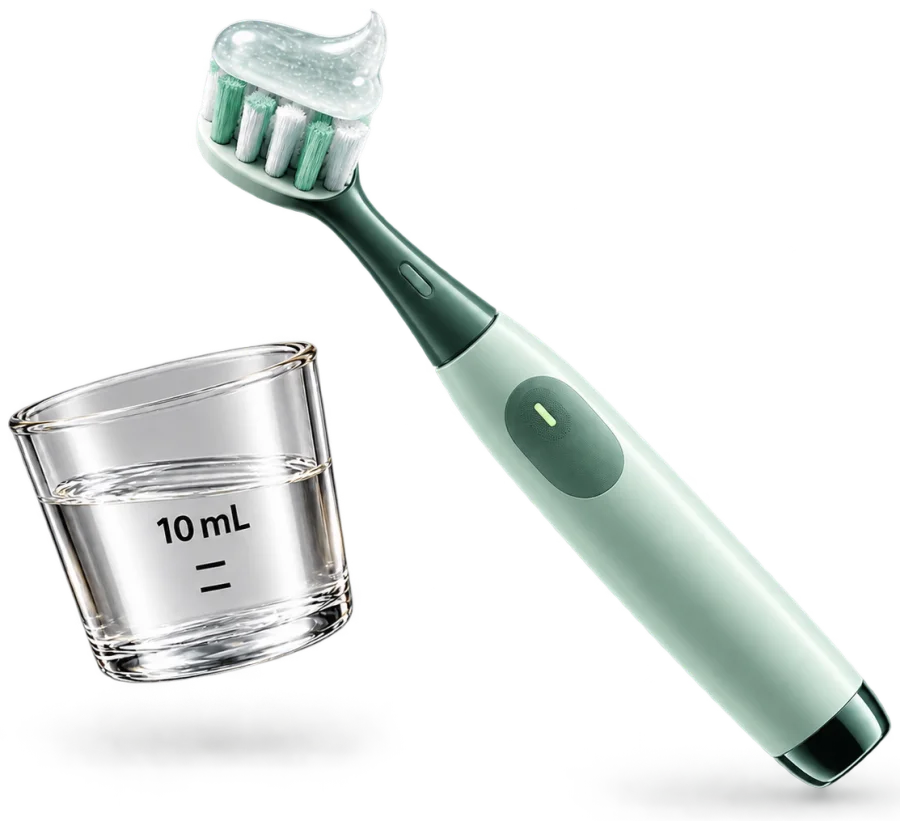
Most antigingivitis rinses are used twice a day for about 30 seconds with a measured amount. More is not better.
Mind the timing with chlorhexidine
Ingredients in many toothpastes can weaken chlorhexidine, so it is often used about 30 minutes after brushing. Your dentist will give specific instructions.
Do not rinse it away
Avoid rinsing with water right after, and hold off on eating or drinking for a short while so the active stays in contact.
Give it a few weeks
Gum bleeding from plaque often improves within one to two weeks of consistent cleaning. If it does not, that is a reason for an exam rather than a stronger rinse.
OneOral's own rinses are built around cavity chemistry, keeping the mouth's pH up with xylitol and, in the Maintenance Rinse, low-dose fluoride. They are not labeled as antigingivitis rinses, so if gum bleeding is your main concern, the actives above are the ones to look for. A OneOral membership includes unlimited messaging with licensed dentists, who can help you choose a rinse that fits your situation, including during pregnancy.
See a dentist if bleeding continues after two weeks of careful brushing and cleaning between teeth, if gums are receding or teeth feel loose, or if you notice pus or persistent bad taste. Bleeding that starts without brushing, alongside easy bruising or unusual tiredness, is worth raising with a doctor. Painful swelling, fever, or swelling spreading to the face or neck needs prompt in-person care.
Can mouthwash get rid of gingivitis on its own?
Is chlorhexidine the best mouthwash for gingivitis?
Does salt water help gingivitis?
How long does it take for mouthwash to help gingivitis?
Ready to Transform Your Oral Health?
Join thousands of members who are preventing cavities with OneOral.