Brush twice a day.
Use fluoride toothpaste and follow the directions for your age and product.
Understand fluorideUnderstand what’s happening in your mouth. Build habits that help protect your teeth. Get a dentist’s guidance for the parts you’re unsure about.
Build a better routine ENAMEL, UP CLOSE Conceptual illustration
01 / UNDER THE SURFACE
Plaque bacteria use sugars from food and drinks to make acids. Repeated acid exposure can wear away the minerals in enamel. Over time, a cavity can form.1
A film of bacteria forms on teeth. Daily cleaning helps manage that buildup.
Sugars give plaque bacteria fuel. The acids they produce attack enamel.
When mineral loss outpaces repair, the tooth can develop a cavity.
The opportunity: saliva and fluoride support mineral repair in early decay, before a hole forms. A dentist determines what your tooth needs.2, 3
02 / SMALL HABITS. EVERY DAY.
Start with the foundations. Then work with your dentist to make the routine fit your mouth.1
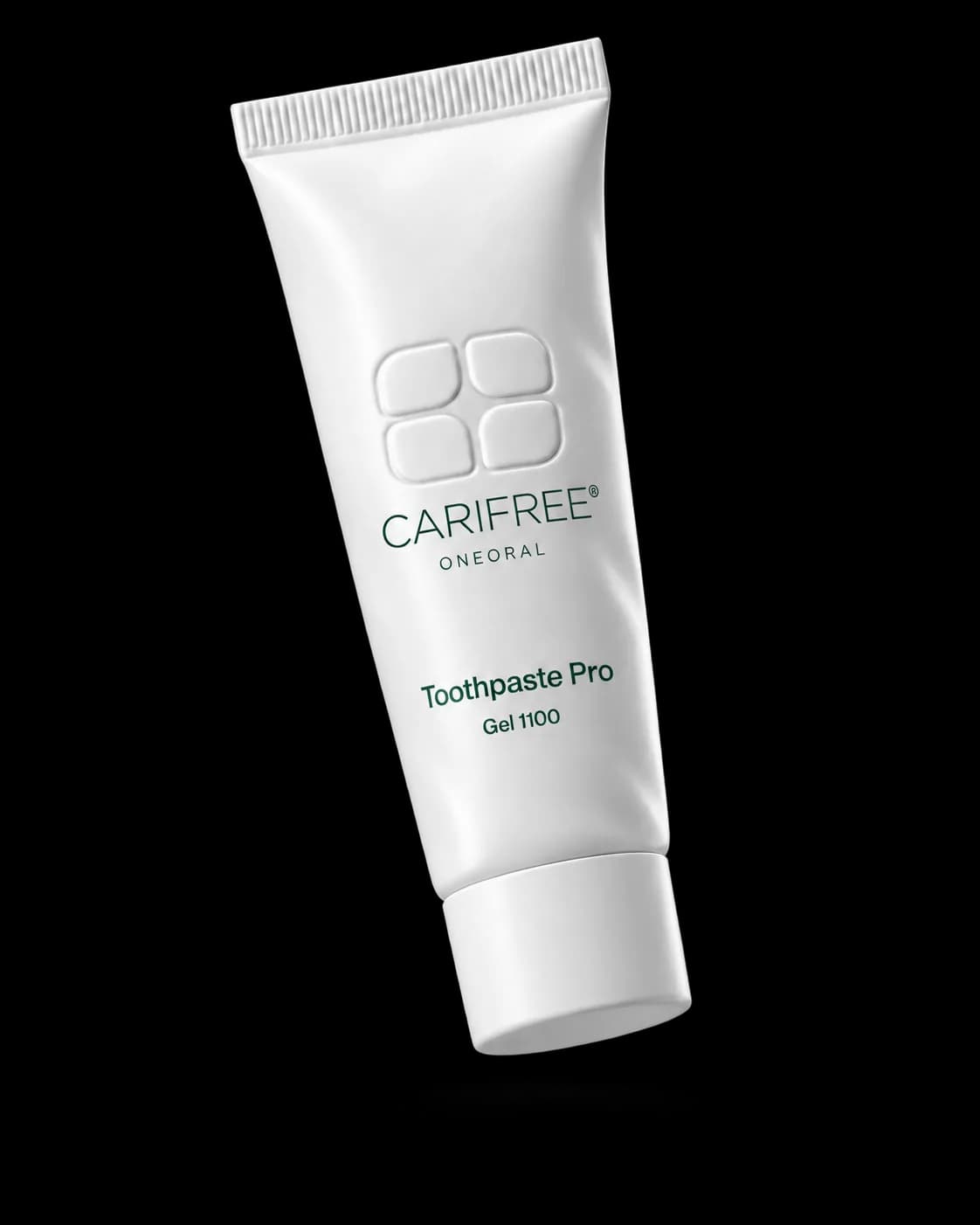 DAILY CARE, DENTIST-GUIDEDProduct illustration
Use fluoride toothpaste and follow the directions for your age and product.
Understand fluorideClean between your teeth every day with floss or another interdental cleaner.
Build your daily routineChoose balanced meals and limit frequent sugary snacks and drinks.
Explore nutritionRegular examinations and cleanings are part of prevention. Ask whether extra fluoride or sealants fit your needs.
Start a conversation03 / GO A LITTLE DEEPER
Pick a question. Get a clearer explanation. These guides connect the science to the things you do every day.
 Conceptual illustration
Your dental history, daily habits and saliva help your dentist see the bigger picture.
Read the guide Product illustration
What fluoride does, what the toothpaste label means, and what to ask about concentration.
Read the guide Conceptual illustration
Acid exposure is one piece of the picture. Learn why your habits and saliva matter, too.
Read the guide Product illustration
Where sugar-free mints and gum fit—and why they do not replace your daily brushing routine.
Read the guide04 / GET AHEAD OF THE QUESTION
Early mineral loss and a formed cavity are different. Some early lesions can be managed without a filling; a hole in the tooth may need restorative treatment. Your dentist can explain which situation you’re dealing with.3
Explore early-decay careTHE QUESTIONS WORTH ASKING
Yes. Early tooth decay often has no symptoms. Regular dental examinations help find problems before they become painful.3
Fluoride can support repair of early mineral loss. It cannot fill a hole in a tooth. Your dentist needs to assess the damage and recommend care.2, 3
Focus on a balanced diet and limiting frequent sugary snacks and drinks. Your daily eating pattern is a useful topic to discuss with your dentist.1
Ask your dentist whether additional fluoride would help your individual needs. Bring the names of the products you already use so you can review your routine together.1
YOUR MOUTH. YOUR NEXT STEP.
Dentist guidance and daily essentials, brought together through membership.
General oral-health education. Online care complements in-person examinations and treatment. Illustrations are conceptual, not diagnostic images.