
The interview, the standup, the client dinner. There is a version of confidence that is really just not thinking about your mouth, and a normal workday quietly works against it.
Three things stacking up
None of these is remarkable alone. Together they describe most people's afternoon.
Coffee, four times, slowly
Each cup is an acid exposure, and sipping one over an hour keeps the window open rather than closing it. It also dehydrates slightly, which reduces the saliva doing your rinsing.
Talking for hours
Sustained speaking dries the mouth, and mouth-breathing through a long call does it faster. Less saliva means less buffering and less mechanical clearing.
Conditioned air
Office air is dry air. It is a small effect that runs for eight hours a day, five days a week.
Almost every workday factor points the same direction: less saliva. Saliva is the mouth's buffer, rinse and mineral supply at once, so anything that reduces it makes everything else harder.
What to actually do about it
- Drink the coffee, then rinseA mouthful of plain water after each cup closes the acid window early. It costs nothing and it is the highest-return habit on the list.
- Finish it rather than nursing itOne cup over ten minutes is meaningfully better than the same cup over ninety.
- Keep water at the deskNot for hydration in the abstract — for saliva flow, which is the thing actually doing the work.
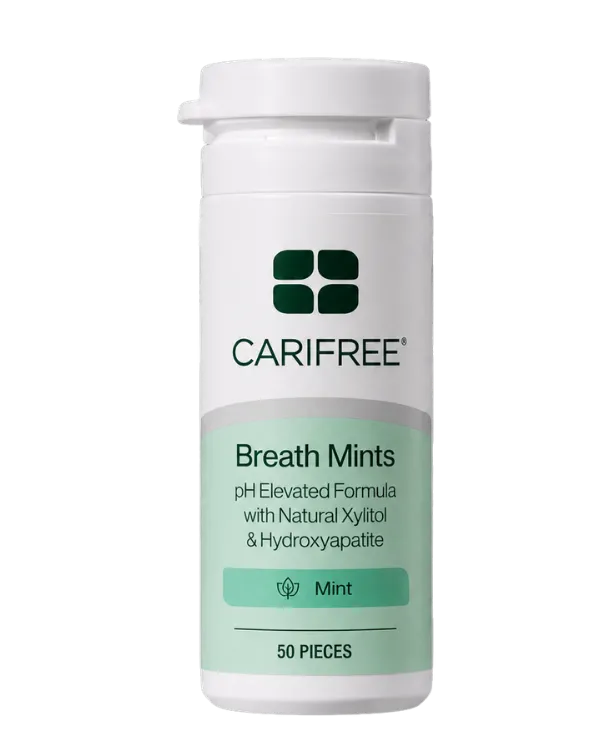
- Xylitol mints between meetingsThey stimulate saliva and the cavity-causing bacteria cannot ferment xylitol. Better than a sugary mint for the same ten seconds of effort.
- Do not brush right after coffeeGive it about thirty minutes. The surface is softened and brushing is when wear happens.
Before the thing that matters
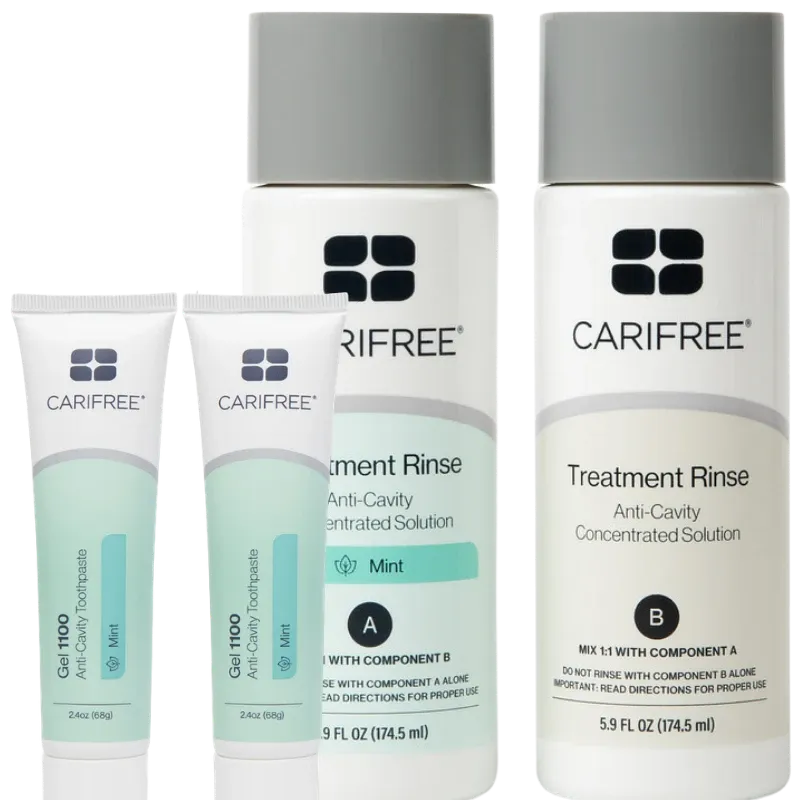
For the client dinner or the interview, the honest advice is that preparation happens the night before, not in the lift. A treatment rinse at night lowers the bacterial load going into the next day. A mint on the way in handles the last ten minutes. Doing only the second is the version most people try.
You cannot smell your own breath, so most of the anxiety here is uncertainty rather than evidence. If you would rather have a measurement than a guess, the at-home bio test measures the bacteria involved.
Ready to Transform Your Oral Health?
Join thousands of members who are preventing cavities with OneOral.