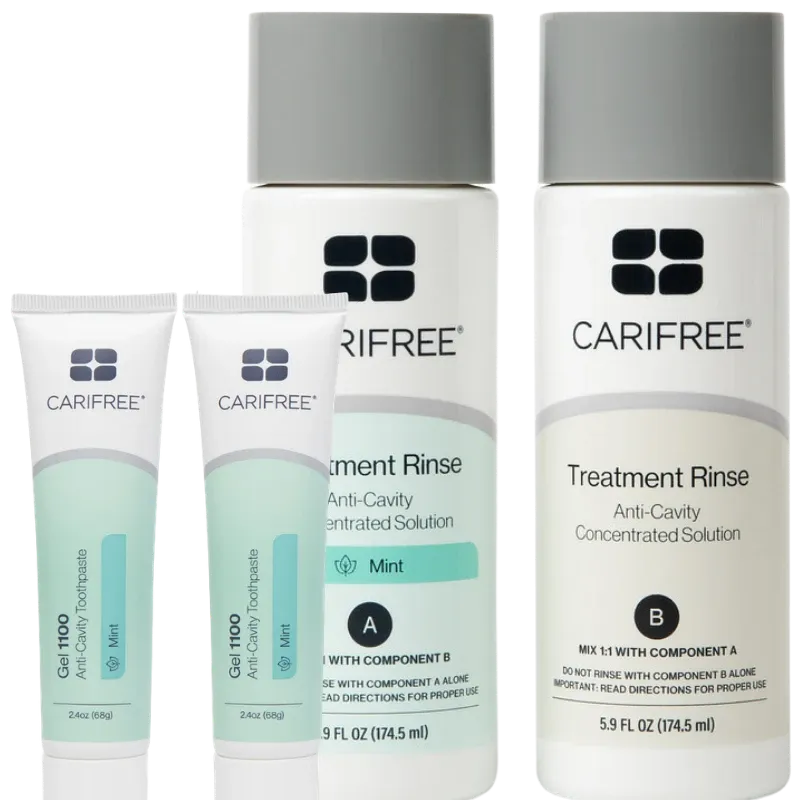

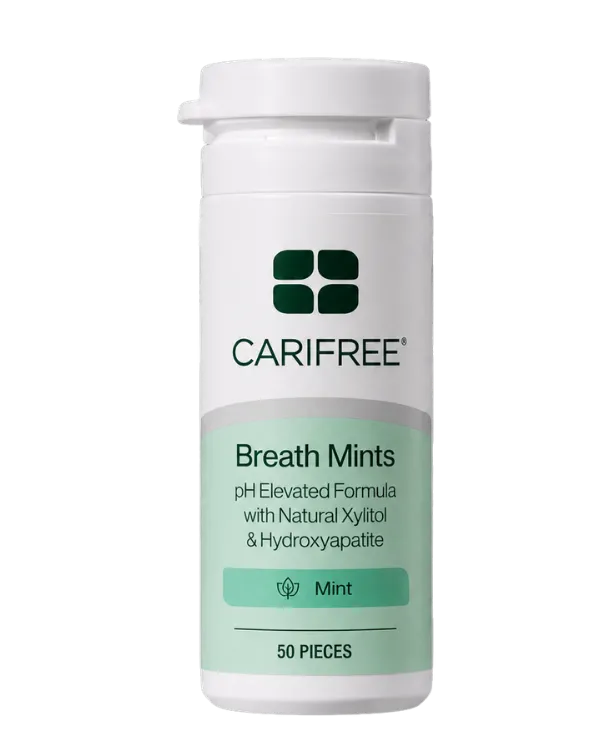
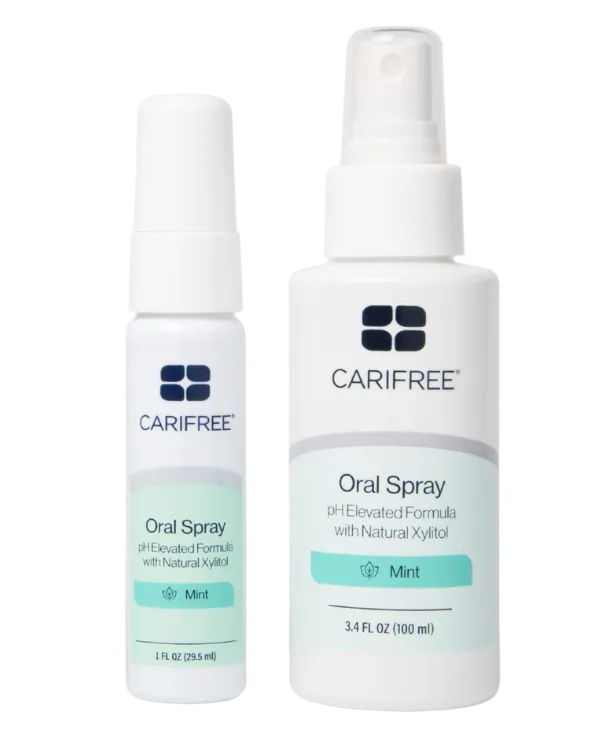

There is a specific kind of quiet that happens the morning after. Not awkwardness about the night — awkwardness about your mouth. You brushed before bed, you did everything right, and you woke up certain you should not speak until you have been to the bathroom.
Almost everyone has that morning. It is close to universal, and the reassuring part is that it has surprisingly little to do with how well you brushed.
The eight hours nobody is awake for
Saliva is the mouth's own rinse. It buffers acid, carries away food, and keeps the bacterial population in check simply by moving. While you are asleep you make dramatically less of it — your mouth goes quiet and dry for roughly eight hours in a row.
The bacteria on your tongue and along your gumline do not sleep. Left undisturbed and unrinsed, some of them break down proteins and release volatile sulfur compounds. Those compounds are the smell. That is why the odor is at its strongest before you have had a sip of water and largely gone an hour later — you restarted the rinse.
You cannot smell your own breath reliably. Your olfactory system adapts to a constant background odor within minutes, which is exactly why the anxiety tends to outrun the reality — and why guessing is such an uncomfortable way to live.
Why a mint does not solve it
A mint is a good ten-minute answer. It masks the odor with a stronger one and, if it is sugary, feeds the bacteria producing the smell in the first place. Nothing about it addresses the population on your tongue.
Sugar-free xylitol mints are a better version of the same idea, because xylitol is a sugar alcohol the cavity-causing bacteria cannot ferment. They still belong at the end of a plan rather than in place of one.
- A rinse last thing at night, so the eight-hour window starts with a lower bacterial load
- Cleaning the tongue, where most of the odor-producing bacteria live
- Keeping the mouth comfortable and moist overnight if you tend to sleep with your mouth open
- Treating gum inflammation, which has its own persistent smell
- A mint on the way out the door
- Brushing harder rather than more thoroughly
- Alcohol-based mouthwash, which can leave the mouth drier than it found it
- Chewing gum with sugar in it
Building for the window, not the moment
If the overnight stretch is the problem, the last thing you do before bed is the highest-leverage habit you have. A treatment rinse at night goes to work during exactly the hours your saliva is not. It is unglamorous and it is the single change most people notice first.
A moisturizing spray is for comfort and moisture. If your mouth is persistently dry, that is worth raising with a dentist or your physician — it can be a side effect of medication and it deserves a real look rather than a workaround.
When it is not just morning breath
Breath that is still there in the afternoon, after brushing, is a different signal. Persistent odor can point to gum disease, an untreated cavity, a sinus issue, or something further down. None of that is a reason for shame and all of it is a reason to have someone look. OneOral works alongside your dentist rather than instead of one, and membership includes teledental access if you want a licensed dentist to weigh in first.
Does drinking water before bed help?
Is a tongue scraper better than a brush?
I only notice it some mornings. Why?
Ready to Transform Your Oral Health?
Join thousands of members who are preventing cavities with OneOral.